Beyond the Initial Check-In: The Value of a Quick Visit to the Land This Week
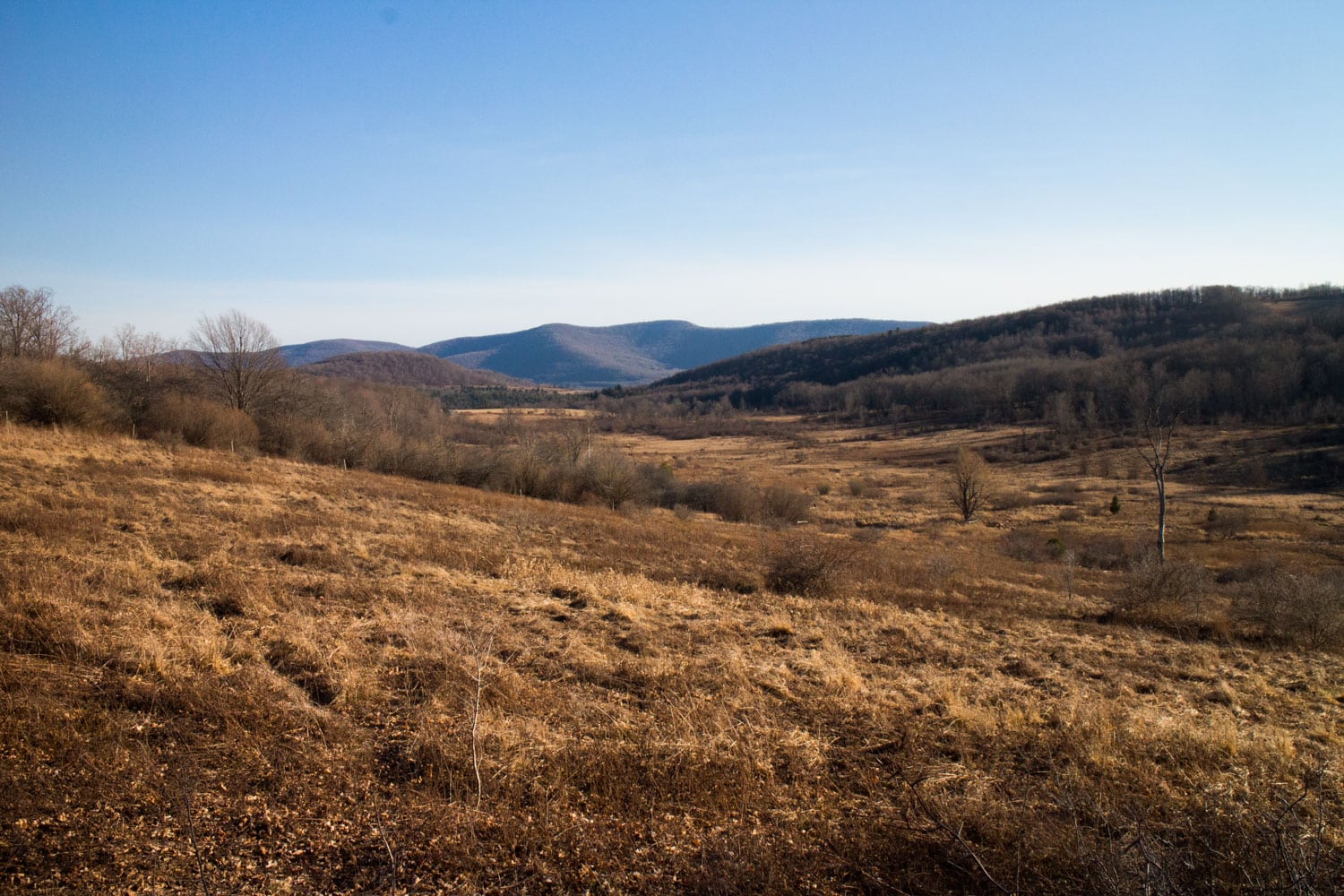
There's a unique satisfaction that comes with owning a piece of land, a connection to nature and a canvas for future dreams. Even with busy schedules, making a quick visit to the land this week can be incredibly rewarding. It’s an opportunity to observe, assess, and prepare, blending the practicalities of land management with the simple joy of being present. After a month away, our recent trip wasn't just about dropping off supplies for upcoming building projects; it was a comprehensive check-in, from the health of newly planted trees to the strategic deployment of new surveillance technology.
Our commitment to the land extends beyond mere construction. It's about nurturing its existing life, like our cherished "Mister Christmas Tree," whose progress we monitor with hopeful anticipation. Planted just weeks ago, its healthy appearance offered a much-needed reassurance, a small victory that underscores the dedication involved in cultivating your own space. Such brief but vital inspections are crucial for early detection of issues, be it plant health, potential erosion, or signs of unwelcome visitors. A regular, even if brief, check-in routine ensures that minor problems don't escalate, preserving both your investment and the land's natural integrity.
Unveiling the Unseen: The Power of Wildlife Cameras for Landowners
One of the most exciting aspects of our latest visit was setting up a series of wildlife cameras. For anyone with property, these devices are invaluable tools, bridging the gap between sporadic personal visits and continuous monitoring. While deer and bunnies seem to shy away from human presence, these cameras become our silent sentinels, offering a glimpse into the vibrant ecosystem thriving just beyond our daily view. The frustration of rarely spotting the local fauna during your presence can now be replaced with the anticipation of discovering their secret lives through photographic evidence.
We've invested in a mix of camera types, specifically Trace and Wingscapes models (built on reliable Moultrie technology), each serving a distinct purpose. This strategic deployment allows for both detailed observation of animal behavior and robust property security. Here’s why these devices are indispensable for land owners:
- Wildlife Observation: Discover which animals frequent your property, their routines, and preferred areas. This information is invaluable for understanding local ecology, identifying potential wildlife conflicts, or simply enjoying the natural spectacle. Knowledge of animal pathways can also inform decisions about fence placement or where to plant certain crops to minimize interaction.
- Enhanced Security: Motion-activated cameras act as a deterrent and a recording device for any unauthorized activity. They provide peace of mind by continuously monitoring crucial access points, building sites, or valuable assets on your land. Many modern trail cameras offer cellular connectivity, allowing for real-time alerts.
- Project Monitoring: Time-lapse cameras offer a unique perspective on long-term changes, from construction progress to seasonal transformations of a garden or landscape. They can document everything from land clearing to the slow process of reforestation, offering a compelling visual record of your land's evolution.
Strategic Camera Placement: Maximizing Your View and Security
Effective placement is key to getting the most out of your wildlife cameras. We deployed a combination of motion-activated and time-lapse cameras with specific goals in mind.
Motion-Activated Cameras: Wildlife & Security in Focus
Two of our cameras are motion-activated, designed to capture images or video when movement is detected. One Trace camera is primarily for security near an access point, but it's also strategically positioned to capture any curious deer passing by. This multi-purpose approach maximizes its utility, offering dual benefits from a single device.
Another motion-activated camera was placed deeper within the property, near areas where we’ve observed signs of deer activity. Identifying these "hangout" spots—through tracks, droppings, or disturbed vegetation—is critical for increasing your chances of capturing compelling wildlife photos. When setting these up, consider:
- Height: Mount cameras at about chest height, angled slightly downwards, to capture a good field of view without overexposing the sky. This helps prevent animals from being cropped out of the frame and reduces false triggers from overhead branches.
- Orientation: Avoid pointing directly into the rising or setting sun, which can cause lens flare and overexposed images. North-facing setups often provide the most consistent lighting throughout the day.
- Clearance: Trim any branches or tall grass in front of the camera that could trigger false alarms due to wind movement. A clear line of sight for the PIR (Passive Infrared) sensor is essential for accurate detection.
- Covertness: While not always possible, camouflaging the camera can help prevent theft and ensure animals behave naturally, providing more authentic footage. Using natural elements or purpose-built enclosures can enhance stealth.
Testing these cameras is half the fun! There's an undeniable urge to pose and trigger them yourself, imagining yourself as one of the local critters, ensuring they are perfectly aimed to capture the action. This hands-on approach guarantees optimal performance once you leave.
Time-Lapse Camera: Documenting Growth and Change
Our Wingscapes time-lapse camera is aimed at capturing a broad overview of the entire property. This will provide fascinating long-term footage of construction phases and seasonal changes. Looking ahead, this camera will be repurposed for specific projects, like documenting the vibrant growth of a garden. Imagine the joy of watching vegetables sprout, flourish, and yield their bounty in a condensed time-lapse video! This offers not just entertainment but also valuable insights into plant growth rates, light exposure, and the impact of environmental factors, informing future gardening strategies.
Planning Your Perimeter: The Journey to a Deer-Proof Garden Fence
A crucial next step on our land is the construction of a robust garden fence, a project that promises to transform the property. This isn't just about aesthetics; it's about practical protection for future endeavors, especially the garden. The challenge is clear: the fence needs to be high enough to deter deer and sturdy enough to protect against smaller critters. This journey often involves significant planning, and we've already navigated some common hurdles.
Our initial idea of a complete 8-foot wire mesh fence hit a snag due to the surprisingly limited availability of rolls in that height. Doubling up shorter rolls proved to be cost-prohibitive and wasteful, highlighting that fencing is not cheap, and efficiency in material use is paramount. This led to an innovative, experimental design: a 4-foot wire fence at the bottom, topped with strategically placed wooden boards. This hybrid approach aims to combine the strength and critter-proofing of wire at ground level with a visual and physical barrier at a height that deer are less likely to attempt to jump over. This kind of adaptive problem-solving is a common thread in land development, where practical constraints often necessitate creative solutions.
The construction, set to involve Matthew and friends, will likely be a multi-weekend endeavor, underscoring the labor intensity of such projects. Planning is critical, from sourcing materials to organizing the build team and ensuring everyone is aligned on the blueprint. These efforts, though demanding, are an investment in the long-term success and security of the land, protecting future harvests and preserving the integrity of your cultivated spaces.
Conclusion: Embracing the Journey of Land Ownership
A quick visit to the land this week can encompass far more than just a drive-by. It's a vital touchpoint for assessing progress, addressing immediate concerns, and laying the groundwork for future projects. From the simple reassurance of a healthy sapling to the strategic placement of wildlife cameras for security and observation, every step contributes to a deeper understanding and appreciation of your property. The challenges, like designing a deer-proof fence, become opportunities for creative problem-solving and collaboration. As we continue to develop our land, these thoughtful investments in technology and infrastructure ensure that our dreams, both wild and cultivated, can truly flourish.
